 LLOPS
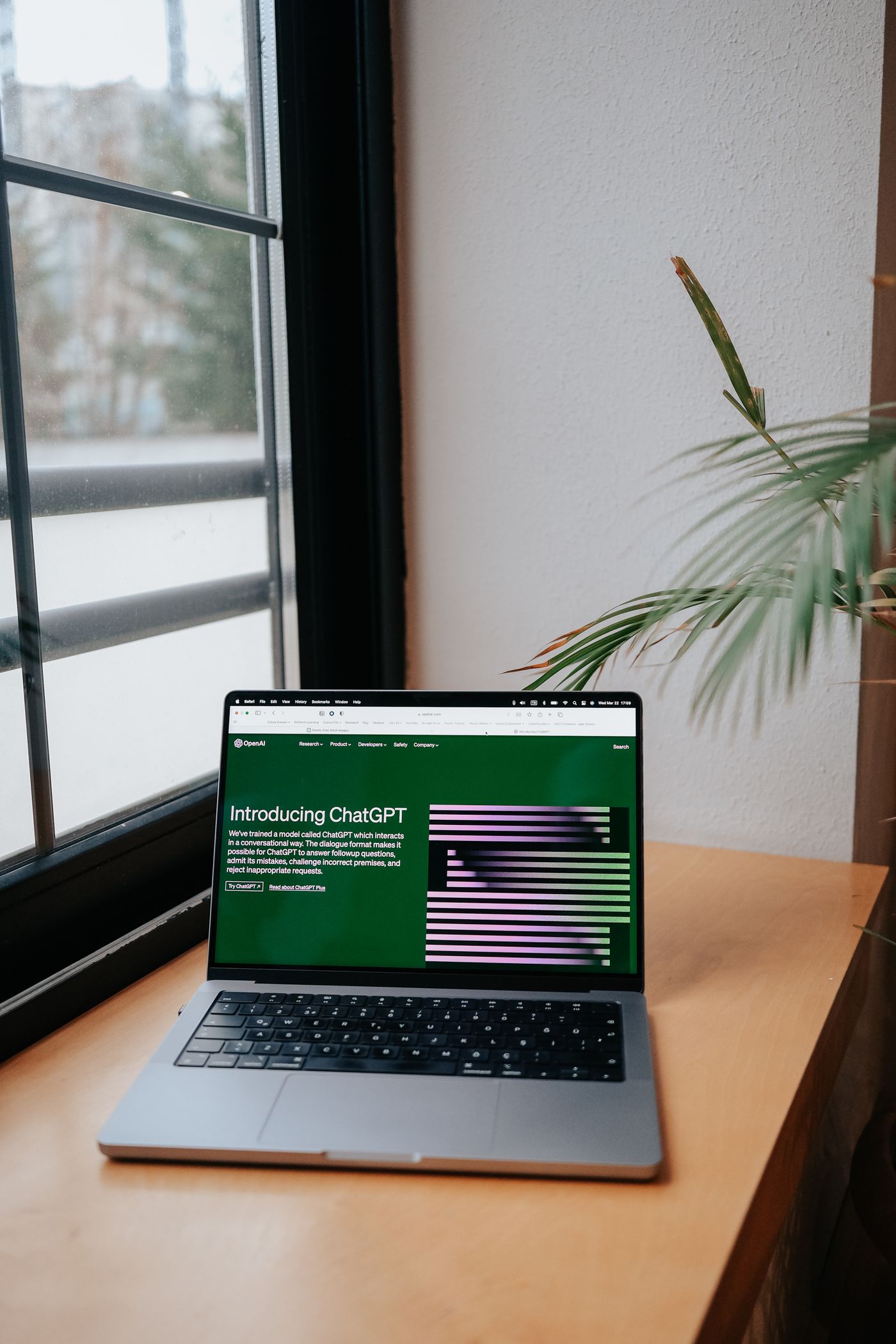
An incorrect answer starts the diagnosis
If ChatGPT describes your brand as an unknown term, check which product you used, whether it searched the web and which sources it cited. Try one question using the exact name and another about the service. Save the date and language. Absence may reflect access problems, ambiguous information or selection of other sources; the answer alone cannot establish the cause. It is not evidence that every website without GEO is unreadable.
1. Check access and indexing
Open the public URL and check that the main content is available without signing in. Review server responses, blocks and noindex directives. For Google, use Search Console URL inspection to check the specific page. In ChatGPT Search, OAI-SearchBot handles search crawling; GPTBot has a different purpose related to training. Allowing one does not require allowing the other. Check the firewall and OpenAI’s published IP ranges too: a correct robots.txt does not fix a server block.
2. Explain the brand with verifiable facts
The home and about pages should state the name, service, audience and contact details. LLOPS stands for LLM Optimized Pages: it reviews SEO and GEO for existing websites and prepares content, structured data and implementation resources. GarantLead builds websites for tradespeople and service businesses. That distinction is more useful than repeating acronyms. Keep the name and official links consistent across the website and real profiles; do not invent an address, awards or reviews to fill out markup.
3. Answer what customers need to decide
An audit page should explain what is reviewed, which access is needed, what the customer receives and who applies changes. LLOPS reviews content, titles, links, languages and search access; delivery is tailored to the site and includes implementation instructions. Ask for a quote identifying included tasks and checks after implementation. If the offer does not answer the buyer’s question, they may choose another company even when your website is accessible.
4. Verify changes, then observe answers
Keep a list of reviewed URLs with before-and-after evidence. Check visible HTML, language links, canonicals and structured data that matches the text. Google does not require special files for its AI features; llms.txt is supplementary. After publication, record indexing, queries and observed citations separately. LLOPS works to make the offer discoverable and understandable and help visitors contact the business. Source selection and recommendations remain the search system’s decision.